Every venture cycle produces the same two-act play. In act one, capital is abundant, valuations float free of fundamentals and momentum substitutes for judgment. In act two, capital gets scarce, and suddenly everyone rediscovers gross margins. Having invested through several of these cycles, I hold an unfashionable view: act two is where the best investing happens.
Downturns are a filter, not a verdict
Volatile markets do not destroy good companies; they reveal them. When capital was free, growth could be purchased — more spend, more growth, more valuation. When capital tightens, only businesses with genuine demand, sane unit economics and disciplined operators keep compounding. The noise dies and the signal survives. For an investor, that filter is worth more than any proprietary model.
The vintage data has long shown the pattern: funds deployed in tight markets tend to outperform those deployed at the top. Entry prices are lower, competition for deals is thinner, and the companies that raise in hard conditions are, by selection, the durable ones.
What durable growth looks like
In volatile markets I look for four things. Revenue that customers would protest losing — not spend that dies quietly in a budget review. Unit economics that improve with scale rather than merely promising to. A founder who knows the numbers cold and treats capital as expensive even when it is not. And a market that is growing for structural reasons — demographics, regulation, technology adoption — rather than sentiment.
None of these qualities is exotic. All of them are ignored at cycle tops.
Conviction has a cost structure
The venture playbook in volatile markets is to slow down and concentrate. Fewer positions, deeper diligence, larger reserves for follow-on rounds — because in tight markets, the ability to support your winners through an ugly interim round is itself a source of return. The investor who must sell or dilute at the bottom converts volatility into permanent loss. The investor with reserves converts it into ownership.
In easy markets, capital is a commodity. In hard markets, it is a vote of conviction — and conviction, properly priced, is the best asset in venture.
The long game
Volatility ends. It always has. The companies funded carefully in hard years become the platforms everyone chases in the next easy one. The discipline is simply to remember, in both halves of the cycle, what is actually being bought: not momentum, not narrative, but a share of a business that must eventually stand on its own economics. Buy that, at a sensible price, from a durable founder — and let the cycle argue with itself.
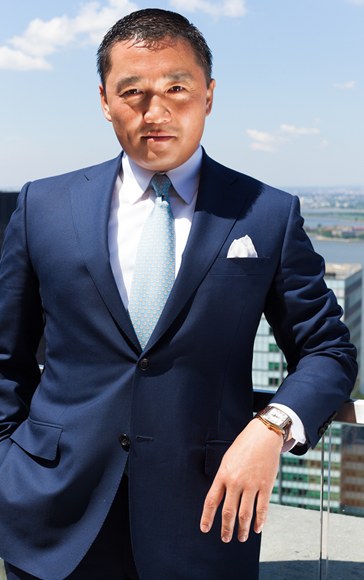
American financier and CEO of New York Global Group, bridging U.S. and Chinese capital markets for more than three decades. Full bio